The Story of Hughes House: A Victorian Gem on the Oregon Coast
 0
0
 0
0
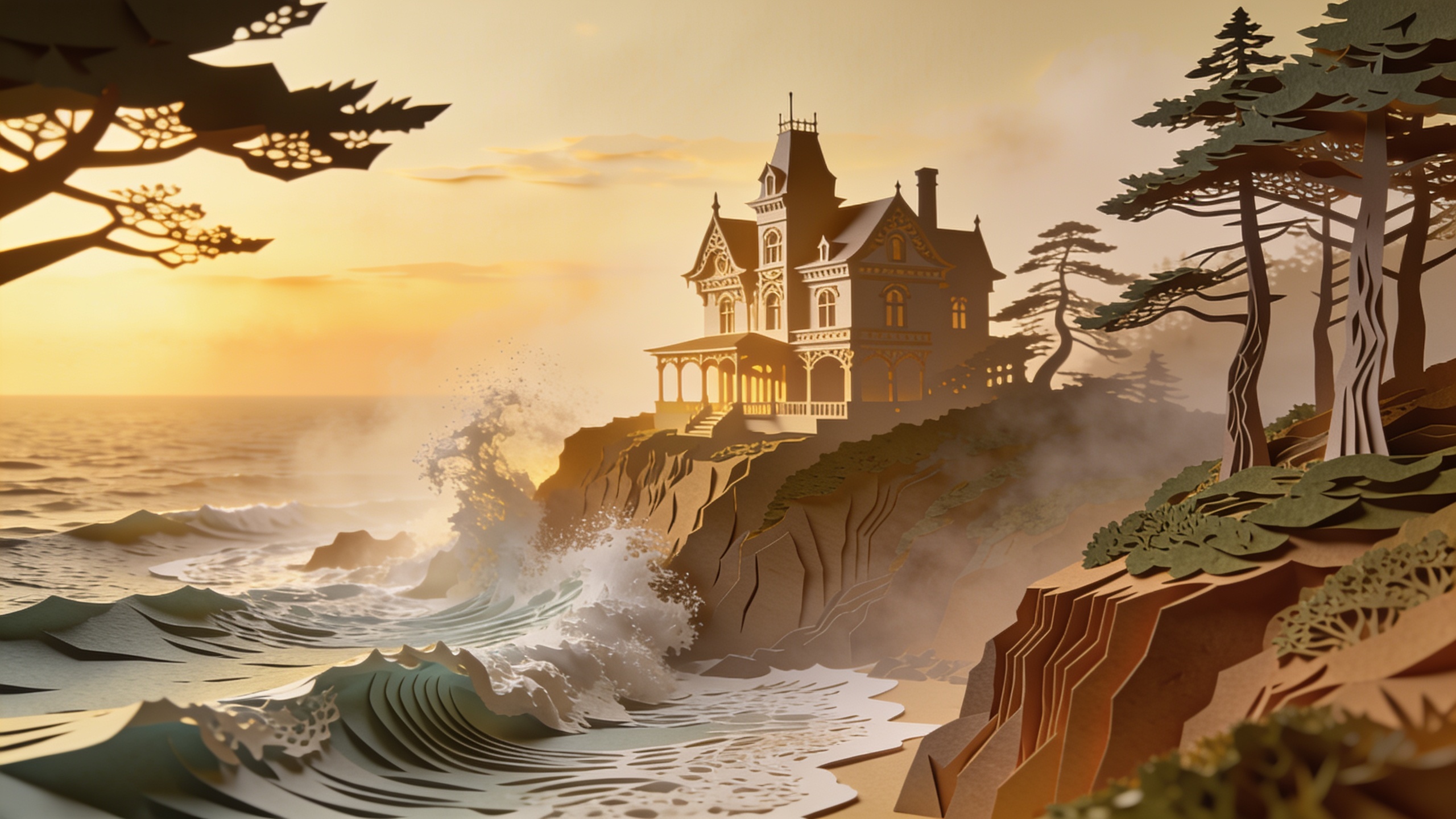
Few historic homes on the Oregon Coast hold the combination of architectural beauty, family legacy, and raw coastal drama that Hughes House does. Perched near Cape Blanco State Park, this Italianate Victorian farmhouse has outlasted storms, economic shifts, and more than a century of hard Pacific winters. It tells the story of a family that bet everything on Oregon’s frontier, and built something that has lasted.
Who Built Hughes House, and Why It Matters
Patrick Hughes and his wife Jane arrived in Curry County in the 1870s, drawn by the promise of productive land near the Sixes River. Patrick ran cattle, farmed, and eventually established one of the more prosperous operations in the region. By 1898, the family had enough means and ambition to build a proper house, one that reflected their status and their intention to stay.
The result was a two-story Italianate structure with a cross-gable roof, decorative bracketing, and a formal parlor that would have looked at home in coastal New England. That was the point. Italianate architecture was the prestige style of the era, and building in that tradition announced that the Hughes family had arrived. Out on the southern Oregon frontier, that mattered.
A Closer Look at the Architecture
The house has 11 rooms spread across two floors, with construction details that speak to real craftsmanship. The wood used throughout came almost entirely from the surrounding region, and the quality of the joinery and finish work is well above what you typically find in rural farmhouses of the period.
Key architectural features of Hughes House include:
- A symmetrical Italianate facade with wide eave brackets
- Original interior woodwork including baseboards, door casings, and window surrounds
- A central staircase with turned balusters
- Period-appropriate room layout with a formal parlor separate from working family spaces
- 11 rooms across two floors, with original floor plan largely intact
What makes the house remarkable today is how much of this original fabric survived. Restoration work in the late 20th century was careful and well-documented, preserving rather than replacing wherever possible.
The Hughes Family and Life on the Oregon Frontier
Patrick and Jane Hughes raised five children in this house. The surrounding land was demanding. Curry County’s climate is wet and wild, the terrain is steep in places, and the isolation in the 1890s was significant. The nearest town required a genuine journey.
Despite that, the family thrived for decades. Patrick died in 1898, the same year the house was completed, which gives the structure a slightly elegiac quality. Jane continued managing the property, and the family held the land into the 20th century. Their story is representative of the broader pioneer experience in southwestern Oregon: determined, practical, and connected to the land in ways that modern visitors can still feel when they walk through the rooms.
Ownership History and Path to Preservation
The house changed hands after the Hughes family era, and by the mid-20th century it had fallen into disrepair. The State of Oregon acquired it as part of Cape Blanco State Park, and the real turning point came when the Friends of Cape Blanco undertook a thorough restoration effort starting in the 1990s.
| Period | Key Development |
|---|---|
| 1898 | House constructed by Patrick Hughes |
| Early 1900s | Family continues farming operation |
| Mid-20th century | Property declines, changes hands |
| 1971 | Cape Blanco becomes an Oregon State Park |
| 1990s | Major restoration effort begins |
| Present day | Open for tours, managed by Friends of Cape Blanco |
The restoration project was meticulous. Researchers documented the original construction, sourced period-appropriate materials, and worked to return the house to its late-Victorian condition. The result is one of the better-preserved examples of Italianate domestic architecture in the entire Pacific Northwest.
Visiting Hughes House Today
The house is open for tours during the warmer months, typically May through October, though hours can shift seasonally. The tour experience is hands-on compared to many historic house museums. Guides walk you through all the main rooms, discuss the Hughes family directly, and place the house in its regional and architectural context. The parlor, dining room, and upstairs bedrooms are all accessible.
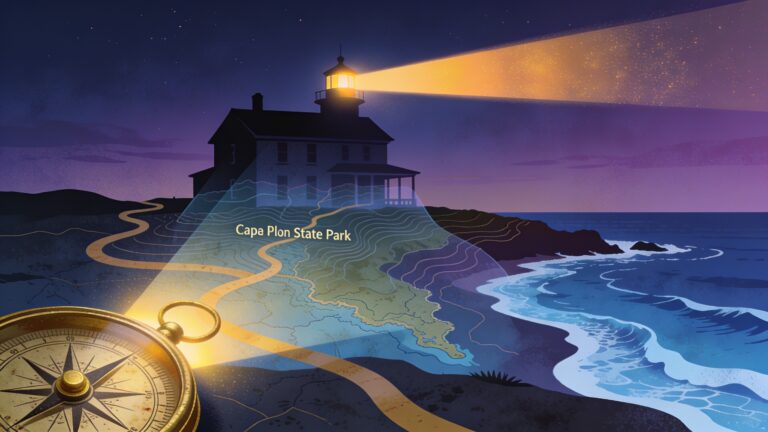
The setting amplifies everything. Hughes House sits within Cape Blanco State Park, which means you have the lighthouse to the west, the Sixes River to the east, and the Pacific wind moving through the grass year-round. Coming to see the house and skipping the rest of the park would be a waste. Plan at least half a day.
A few practical points for visitors:
- Tours run from roughly 10 a.m. to 3:30 p.m. on open days
- The house is managed by volunteers through the Friends of Cape Blanco
- Donations support ongoing maintenance and interpretation
- The site is accessible by the main park road off US-101, about nine miles west of Sixes
- Cape Blanco Lighthouse is a short drive from the house and worth combining into the same trip
Why This House Deserves Your Attention
Most historic homes ask you to care about architecture or history in the abstract. Hughes House gives you both, wrapped in a landscape that still feels remote and slightly wild. The connection between the building and the place is immediate. You understand why the Hughes family built here, why they built the way they did, and what it cost them to do it.
The Friends of Cape Blanco have done something hard here. They kept a house alive that had no commercial reason to survive, through volunteer effort and a clear conviction that the story was worth preserving. That deserves respect, and it deserves visitors who show up prepared to engage.
Key Takeaways
Hughes House is a well-preserved 1898 Italianate farmhouse with a direct connection to pioneer history in Curry County. The restoration is thorough and honest. The setting inside Cape Blanco State Park makes it one of the most atmospheric historic sites on the entire Oregon Coast.
If you are planning a trip to Cape Blanco, build Hughes House into the itinerary. Check current tour hours at capeblanco.org before you go, bring a donation for the Friends of Cape Blanco, and give yourself enough time to walk the grounds after the tour. The house earns the visit.