Where Is the Best Place to See Cape Blanco Lighthouse
 0
0
 0
0
Cape Blanco Lighthouse is the oldest standing lighthouse in Oregon and sits on the westernmost point of the state. At 256 feet above sea level, it commands one of the most dramatic coastal positions on the entire Pacific Coast. If you’re planning a visit and want to get the most from it, location and timing matter more than most people expect.
This guide breaks down the best vantage points, from the lighthouse grounds themselves to the beach below and the surrounding headland trails, so you leave with the full picture.
Start at the Lighthouse Grounds Themselves
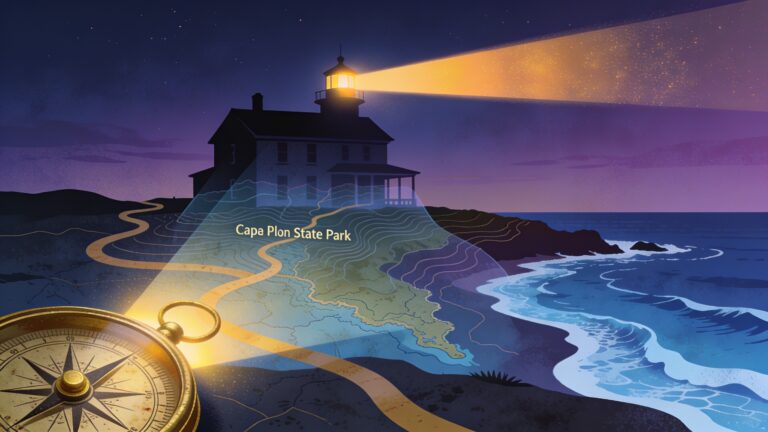
The single best place to see Cape Blanco Lighthouse up close is from the lighthouse grounds inside Cape Blanco State Park. The access road off Highway 101 runs about four miles west through rolling fields and forest before opening onto the headland. Once you’re there, you’re standing on a grassy bluff with the 1870 lighthouse rising directly in front of you.
At 59 feet tall and painted white, the tower is striking against the dark Pacific backdrop. The grounds give you a full, unobstructed view of the structure from every angle. You can walk the perimeter, photograph the keeper’s house, and get as close as the exterior walls allow.
For a view from inside the tower, plan your visit between April and October. Tours run Thursday through Monday during those months, and climbing to the watch room puts the coastline and offshore rocks at your feet in a way no ground-level spot can match.
The Headland Trail for a Wider Perspective
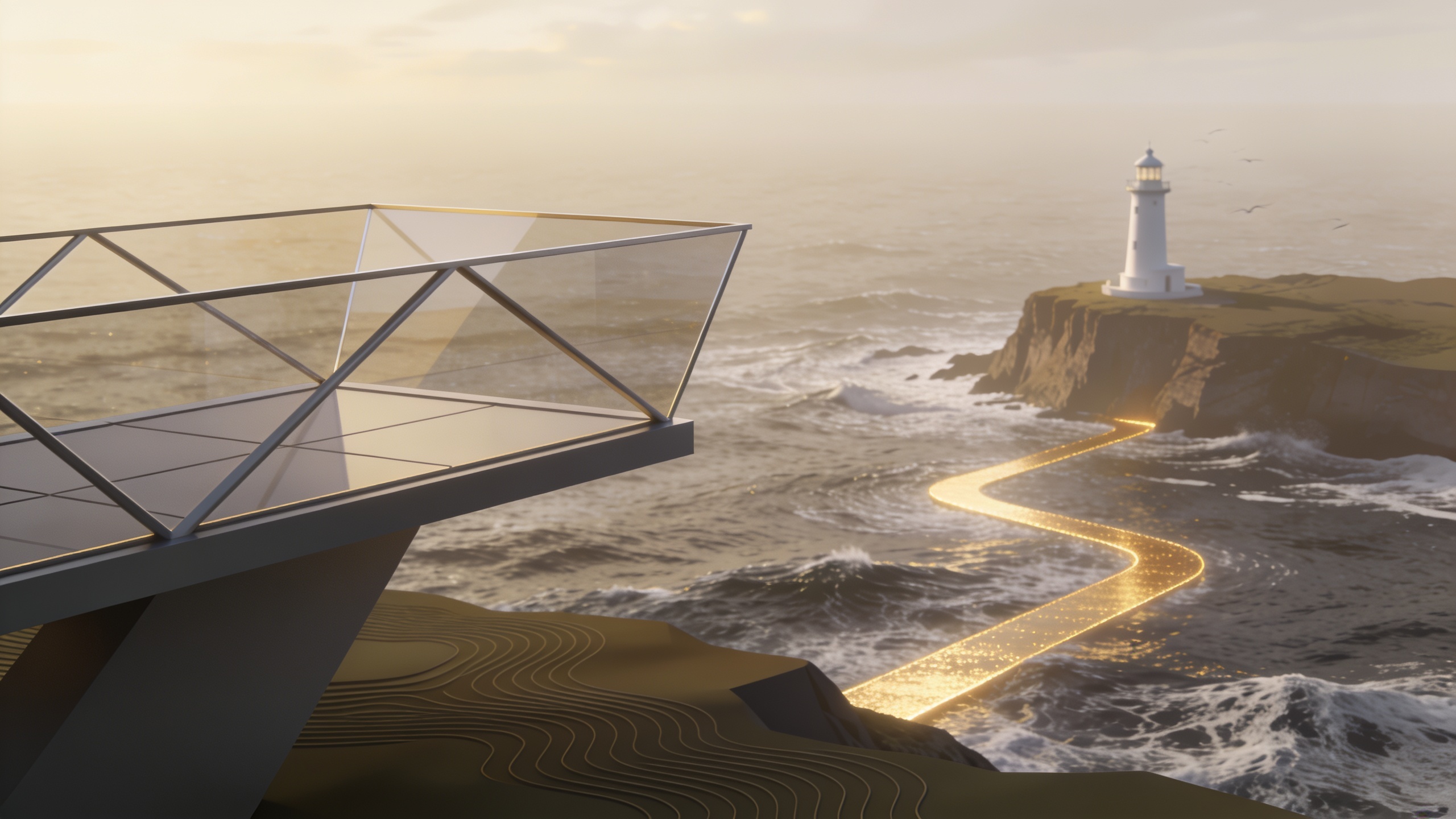
If you want the lighthouse in a landscape context rather than as an isolated structure, the headland trail is the right move. A short walk south of the lighthouse parking area leads to a bluff edge where you can frame the tower against the sea with the full sweep of the coastline behind it.
This is the view photographers chase. The lighthouse sits to your north, the Pacific stretches west, and on clear days you can see south toward Humbug Mountain. Early morning and late afternoon light hit the white tower beautifully. The headland trail takes under 20 minutes to walk at a casual pace, and the elevation keeps you level with the lantern room rather than looking up at it from below.
The Beach Below: A Different View Entirely
The beach at the base of Cape Blanco headland gives you a perspective almost no casual visitor sees. You’re looking up at the cliffs and the lighthouse perched above them, which communicates the scale of the site in a way the top-down view simply does not.
Access the beach via the Sixes River mouth trail or from the day-use area near the campground. The walk to the shoreline takes about 15 minutes from the main parking areas. Once on the beach, look north and the headland rises sharply, with the lighthouse visible above the cliff line depending on your exact position along the shore.
The beach view works best on calm days. Ocean conditions at Cape Blanco are famously rough, and beach access can be limited when swells are large.
Comparing the Main Viewing Spots
| Viewing Location | Distance from Lighthouse | Best For | Accessibility |
|---|---|---|---|
| Lighthouse grounds | Immediate | Close-up detail, architecture | Easy, paved path |
| Headland trail overlook | 0.25 miles south | Landscape photography, context | Easy, unpaved path |
| Beach below headland | 0.5 to 1 mile | Scale, cliff perspective | Moderate, trail required |
| Hughes House area | 0.3 miles east | Lighthouse with pastoral foreground | Easy, flat ground |
Hughes House as a Secondary Spot
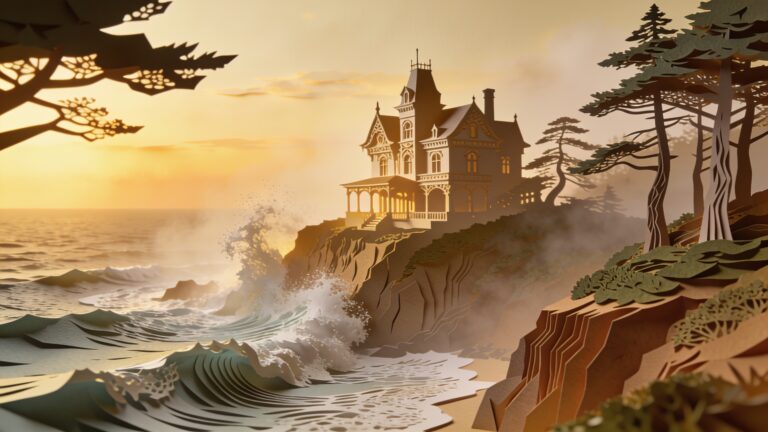
The Hughes House, a Victorian farmhouse from 1898 sitting below the lighthouse on the eastern side of the headland, gives you an interesting secondary vantage. From the area around the house, the lighthouse appears above the treeline and rolling fields, a composition that reads more like a painting than a photograph.
The house is open for tours during the same months as the lighthouse. Even outside tour season, the surrounding grounds offer a worthwhile angle for photographers looking for something beyond the standard bluff-top shot.
When to Go for the Best Conditions
Timing shapes the experience as much as location does.
- Spring and early summer bring the clearest days and green surrounding fields, making the white lighthouse pop against lush grass.
- Summer mornings before 10 a.m. offer the sharpest light and the lowest foot traffic on the headland trail.
- Fall brings dramatic storm light and moody skies, which photograph well from the headland overlook.
- Winter access to the tower is closed, but the grounds remain open and the wild weather creates atmospheric conditions unlike any other season.
Wind is constant at Cape Blanco. The site holds records for sustained wind speeds in Oregon. Dress for it regardless of the season.
Practical Details Worth Knowing
A few specifics that will save you time on the day.
- The park entrance road opens at 8 a.m. and closes at sunset.
- Tower tours run Thursday through Monday, April through October, with guided climbs typically starting at 10 a.m.
- Parking near the lighthouse is free with the Oregon State Park day-use fee, which is $5 per vehicle.
- Dogs are allowed on the grounds but not inside the lighthouse or Hughes House.
- Cell service on the headland is limited, so download the state park map before you arrive.
Key Takeaways
The lighthouse grounds give you the best close-up view, full stop. The headland trail south of the parking area gives you the best compositional view for photography or simply taking in the wider landscape. The beach below adds scale that the top of the headland cannot. If time allows, combine all three in a single visit: start at the grounds, walk the headland trail, and finish on the beach. The whole loop runs under two hours at a relaxed pace.
Cape Blanco rewards people who slow down and move through the different vantage points. Pick the one that fits your goal, or take them all.