What Is the Most Western Point of Cape Blanco?
 0
0
 0
0
Cape Blanco holds a distinction that most people drive right past without fully appreciating. It is the westernmost point of Oregon and, depending on how you measure it, a strong contender for the westernmost point of the contiguous United States. That single geographic fact draws thousands of visitors to the southern Oregon coast every year, and it raises a question worth answering precisely: where exactly is that westernmost point, and what makes it significant?
The Exact Location
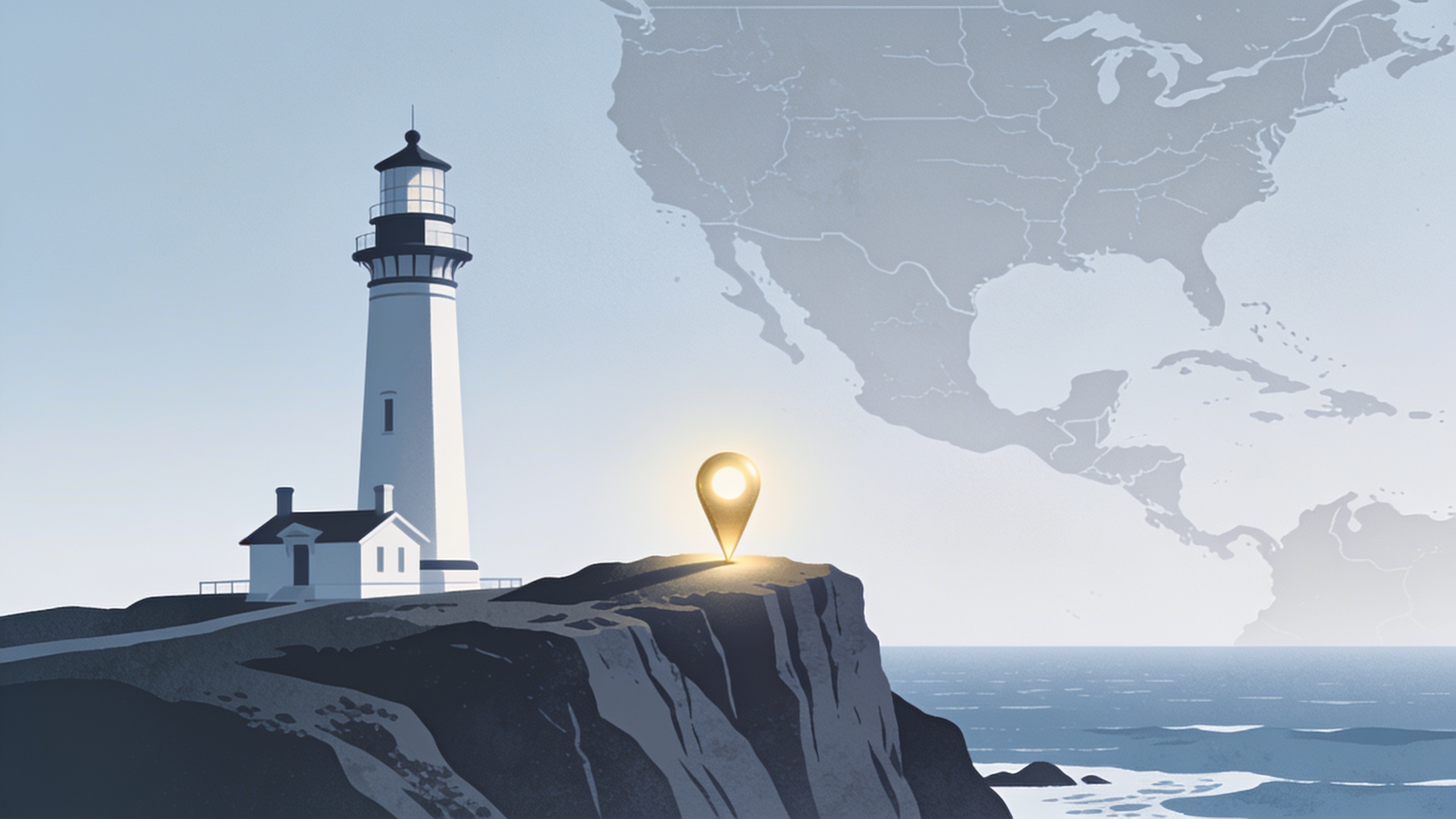
The most western point of Cape Blanco sits at approximately 124 degrees 33 minutes west longitude. That headland juts into the Pacific Ocean roughly 9 miles west of the town of Port Orford, in Curry County, Oregon. The promontory is a bold basalt and mudstone cliff that drops sharply to the ocean, rising about 200 feet above sea level at its highest sections near the lighthouse.
The lighthouse itself stands at coordinates 42.8375 degrees north, 124.5609 degrees west. For practical purposes, the lighthouse grounds and the surrounding headland represent the extreme western tip. When you stand on the bluff near the Cape Blanco Lighthouse, you are as far west as you can go on the Oregon coast, full stop.
Why This Point Matters Geographically
Oregon’s coastline trends in a generally north-south direction, but Cape Blanco breaks that pattern by hooking westward into the ocean. The cape is formed by ancient marine terrace sediments and harder igneous intrusions, which is why it has resisted erosion well enough to remain a prominent headland rather than eroding flat like the surrounding shoreline.
That geological stubbornness is exactly why Cape Blanco is where it is. Softer rock erodes back, harder rock stays forward. Over millions of years, the differential erosion left this cape as an outlier reaching into the Pacific.
Comparing It to Other Western Points
People often ask how Cape Blanco compares to Cape Flattery in Washington, which is the northwesternmost point of the contiguous US. The distinction matters.
| Point | Location | Longitude (W) | Distinction |
|---|---|---|---|
| Cape Blanco, OR | Curry County, Oregon | 124 deg 33 min | Westernmost point of Oregon |
| Cape Flattery, WA | Clallam County, Washington | 124 deg 43 min | Northwesternmost point of contiguous US |
| Point Conception, CA | Santa Barbara County, California | 120 deg 28 min | Major California coastal landmark |
| Cape Mendocino, CA | Humboldt County, California | 124 deg 24 min | Westernmost point of California |
Cape Flattery reaches slightly further west than Cape Blanco. The difference is less than 10 minutes of longitude, but it is enough to give Washington the title of westernmost state in the contiguous 48. Cape Blanco still holds the Oregon record by a clear margin.
The Lighthouse as a Reference Landmark
The Cape Blanco Lighthouse, built in 1870, is the oldest operating lighthouse in Oregon. It stands 59 feet tall and sits on the headland at an elevation that gives its light a focal height of roughly 245 feet above mean sea level. That combination of tower height and cliff elevation makes it one of the highest lighthouse lights on the entire US Pacific Coast.
For navigators, Cape Blanco has historically marked a critical turning point. Ships heading north from California round this cape to begin tracking up the Oregon coast. Ships heading south use it as a waypoint before making for the California ports. The cape’s westward position in the coastline makes it unavoidable for coastal traffic, which is exactly why the lighthouse went up where it did.

What You See From the Western Point
Standing at the cape on a clear day, the view is open water in every direction from northwest to southwest. There is no land between you and Japan to the west, a fact the wind will remind you of immediately. The average wind speed at Cape Blanco is among the highest recorded anywhere on the Oregon coast, with sustained winds regularly exceeding 30 mph.
Key features visible from or near the western point include:
- The lighthouse and keeper’s house, restored and open for tours
- Steep basalt cliffs dropping to rock shelves and tidal zones below
- Sea stacks and offshore rocks that support nesting seabirds including tufted puffins and common murres
- The Sixes River estuary to the north, visible on clear days
- Humbug Mountain to the south, rising 1,756 feet directly from the coast
The cliffs themselves are worth examining. The layered sedimentary rock interspersed with harder volcanic material tells the story of how this headland formed and why it protrudes the way it does.
Getting to the Most Western Point
Cape Blanco State Park manages the headland. The entrance is off US Highway 101, about 4 miles north of Port Orford. From the highway, a park road runs about 5 miles west to the lighthouse parking area.
The lighthouse grounds are the closest publicly accessible point to the true western tip. The area directly below the cliffs is inaccessible from the top without technical equipment, and the wave action on the rocks below makes the base approach dangerous. The headland itself, along the trail system near the lighthouse, puts you within a few hundred feet of the geographic extreme.
Key Takeaways
Cape Blanco’s most western point sits at roughly 124 degrees 33 minutes west longitude, on a basalt and mudstone headland 200 feet above the Pacific in Curry County, Oregon. It is the westernmost point in Oregon, second only to Cape Flattery in Washington among all contiguous US states. The Cape Blanco Lighthouse marks the spot with precision and has guided Pacific Coast navigation since 1870.
If you plan a visit, go in summer for the best lighthouse tour access, but accept that wind is a constant companion regardless of season. Wear layers, bring binoculars for the seabirds, and take the time to stand at the edge of that bluff. You are at the western margin of Oregon, looking out at open ocean all the way to Asia. That is a concrete, measurable fact, and it is worth the drive.