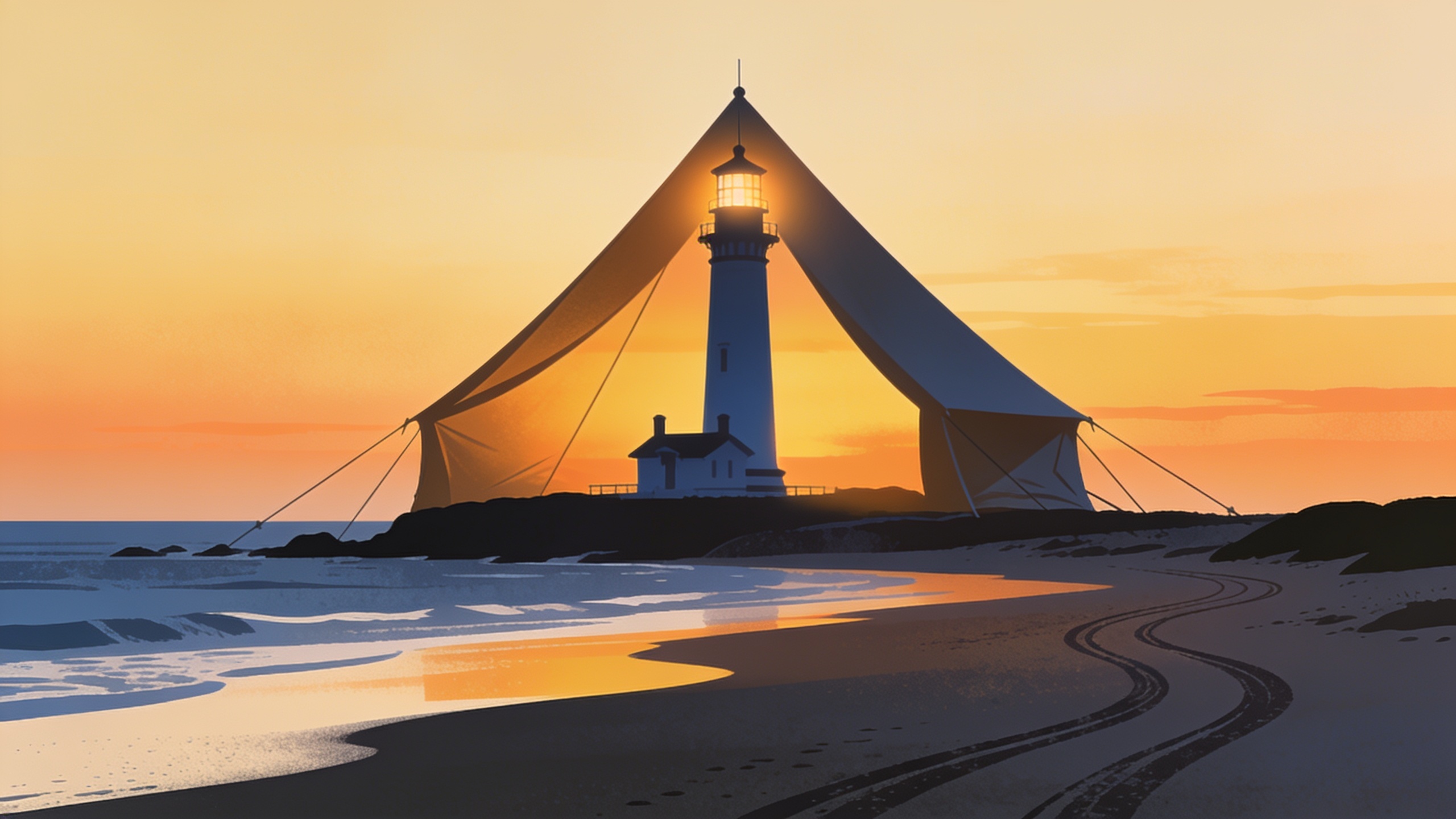
Camping at Cape Blanco: Beaches, Trails, and Lighthouse Views
 0
0
 0
0
Cape Blanco State Park sits on the westernmost point of Oregon, and it earns that distinction by delivering one of the most exposed, dramatic stretches of coastline on the Pacific. Wind comes in hard off the ocean, the sea stacks rise from the surf like sentinels, and the lighthouse at the top of the bluff has guided ships since 1870. If you want a camping trip that feels earned, this is where you go.
Why Cape Blanco Stands Out
Most Oregon coast campgrounds put you near the beach. Cape Blanco puts you on a bluff above it, with trails dropping down to black sand and driftwood-scattered shores. The park covers roughly 1,880 acres, giving campers genuine room to move. You get forest, meadow, river access, and ocean cliffs all within a few miles of your tent.
The Hughes House, a restored Victorian farmhouse from 1898, and the Cape Blanco Lighthouse are both open for tours in season. These are working historic sites, and the combination of frontier history with raw coastal scenery makes the park feel weightier than a standard beach campground.
The Campground: What to Expect
Cape Blanco Campground sits on the bluff overlooking the Sixes River valley and the Pacific. It has 52 electrical hookup sites and four horse camps with corrals. There are restrooms with flush toilets and hot showers. The camp host is usually on-site during peak season.
| Feature | Details |
|---|---|
| Total sites | 52 electrical hookups, 4 horse camps |
| Hookup type | Electrical only (no full hookups) |
| Reservations | Available through Oregon State Parks |
| Season | Year-round |
| Pet policy | Leashed pets allowed |
| Nearest town | Port Orford, 9 miles north |
Reservations are smart from Memorial Day through Labor Day. Outside those months, the campground thins out and you can often walk in, but expect real weather. Cape Blanco averages 60 to 80 inches of rain per year, and the wind at the bluff can sustain 30 mph on a clear afternoon. Pack stakes that go deep, and bring a windbreak if you run a kitchen setup outside.
Beaches Worth Walking
The beach at Cape Blanco takes a short trail down from the bluff. It is wide, flat, and almost always empty. Agates and jasper wash up here regularly, and low tide is the best time to walk the sand close to the rocks. Go slow and look down.
Blacklock Point, accessible from a trailhead a few miles south of the main campground, rewards the extra effort. The route runs through old-growth Sitka spruce before opening onto clifftop views that rank among the best on the Oregon coast. The cliff edges are real and unguarded, so keep kids and dogs close.
The Sixes River meets the ocean at the park’s southern edge. Steelhead and salmon runs draw anglers in fall and winter. Even outside fishing season, the estuary area is worth a walk for the bird activity, especially shorebirds and great blue herons moving through the marsh grass.
Trails to Know
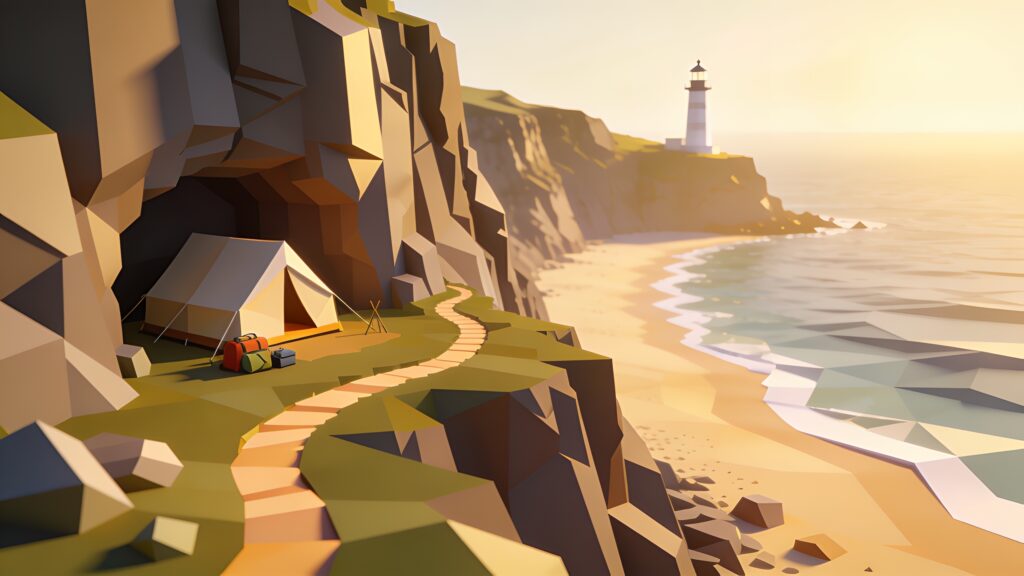
Cape Blanco is walkable without being enormous. The trails are well-marked and cover distinct terrain types, so mixing two or three on the same day builds a complete picture of the park.
- Lighthouse Trail: 1 mile round trip, blufftop walk with full ocean views, easiest hike in the park
- Beach Access Trail: 0.5 miles down to the main beach, moderate descent with some loose rock
- Blacklock Point Trail: 5 miles round trip from the Floras Lake trailhead, old growth and cliff views, more demanding
- Sixes River Loop: 3 miles, flat and forest-shaded, good for early mornings when elk often graze the meadow edges
- Hughes House to Lighthouse: 1.2 miles connecting the two historic sites, easy grade, worth combining with a tour of both
I would do the Blacklock Point trail on your second morning before wind picks up. Start at 7 a.m. and you will likely have the clifftop to yourself.
The Lighthouse
Cape Blanco Lighthouse is the oldest continuously operating lighthouse in Oregon. At 59 feet tall, it sits on a bluff 245 feet above sea level, which gives the light one of the highest positions on the coast. Tours run Thursday through Monday from April through October, and the view from the lantern room on a clear day reaches 26 miles out to sea.
The lighthouse tour takes about 30 minutes. Rangers lead small groups up the spiral staircase and explain the Fresnel lens, which dates to 1936 and is a working piece of optical engineering that still functions today. Plan the tour for midday and use your morning and evening for beach and trail time when the light is best.
Practical Tips for a Good Trip
Pack for cold and wet even in July. Temperatures at the bluff average in the low 60s during summer days and drop to the mid-40s at night. A four-season tent is overkill in August but a solid three-season tent with a good rainfly is the minimum I would bring any time of year.
The nearest grocery store is in Port Orford, 9 miles north on Highway 101. Stock up before you arrive. There is a small camp store for basics, but the selection is thin.
Cell service at the campground is marginal at best. Treat the trip as a digital detox and plan accordingly. Download your maps and trail info before you leave Port Orford.
Key Takeaways
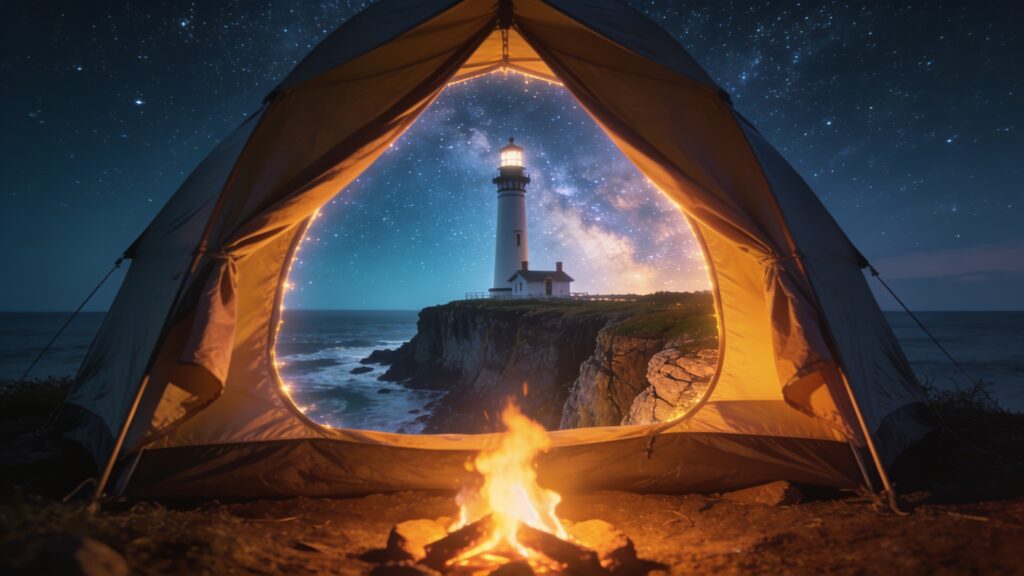
Cape Blanco rewards campers who want more than a parking lot near the shore. The lighthouse history, the agate-rich beaches, and the clifftop trails at Blacklock Point together make the park one of the most complete coastal camping destinations on the Oregon coast.
Book your site early for summer weekends, arrive with rain gear regardless of the forecast, and build your itinerary around morning walks before the wind arrives. Do those three things and Cape Blanco will exceed what you expected.